Window repair in Halifax — fix what failed
Not every fogged or sticky window needs a full house replacement. This page separates failed insulated glass seals from room-side condensation, explains vinyl glass replacement, and covers hardware repairs — with honest notes on when to stop repairing and replace.
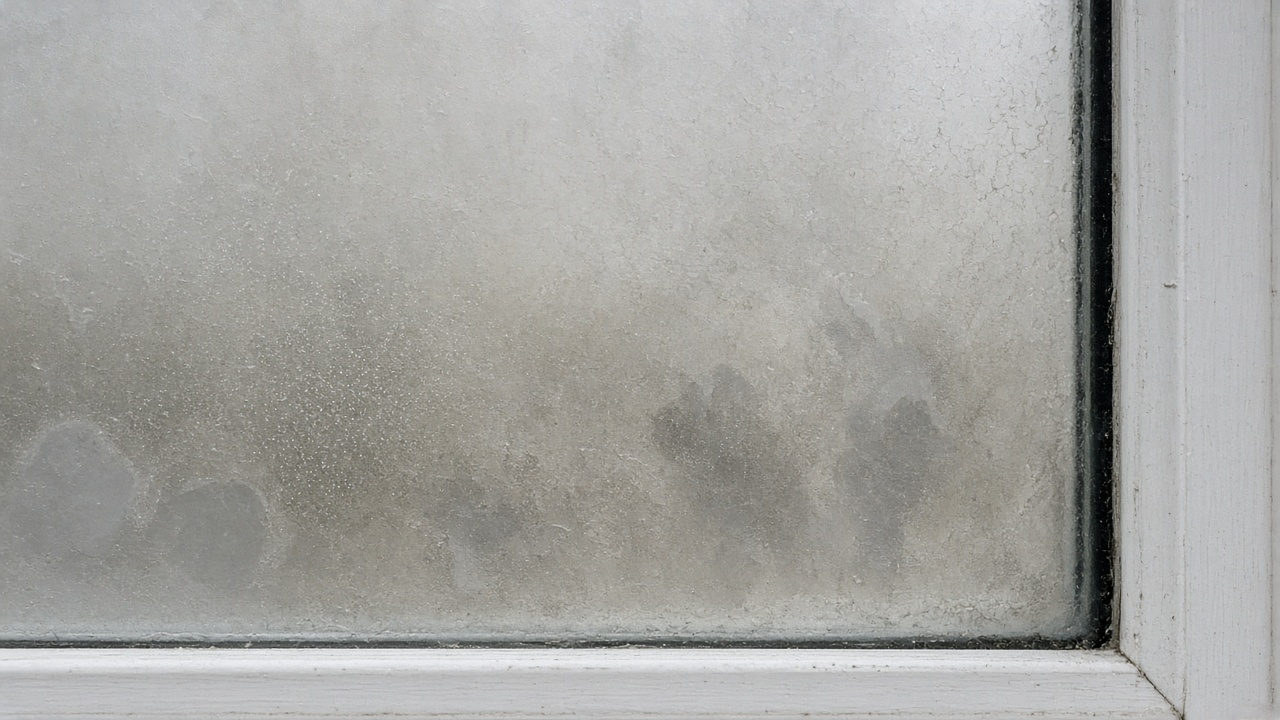
Fog between panes means the seal failed
Moisture or mineral haze between glass layers means the insulated glass unit (IGU) seal is compromised. Exterior caulk will not fix it. A glass shop can often replace the IGU when glazing beads allow. Welded or direct-glaze sashes may need sash or full window replacement. Defog kits may clear haze temporarily without restoring gas fills or long-term insulation performance.
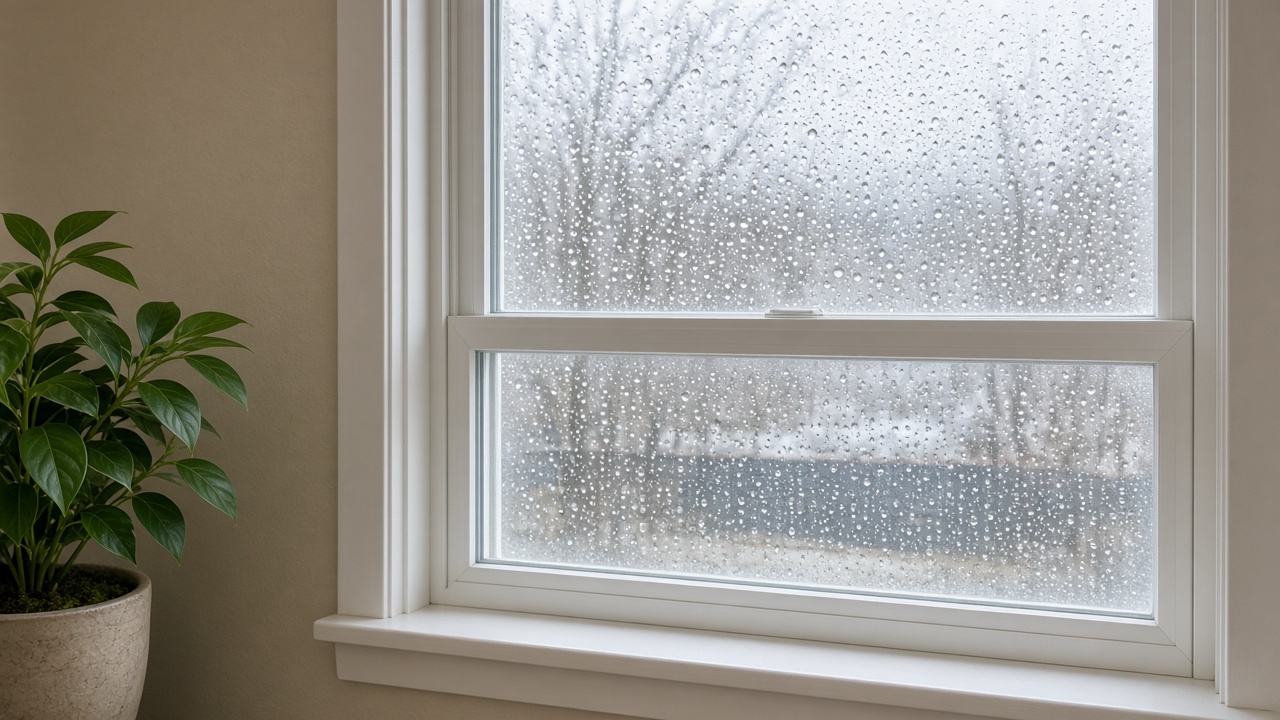
Room-side condensation is different
Water on the room side of the glass is usually indoor humidity meeting cold glass. Improve ventilation, run bath fans, and consider warmer glass packages long term. Do not order full replacements solely for winter morning beads if frames and seals are intact.
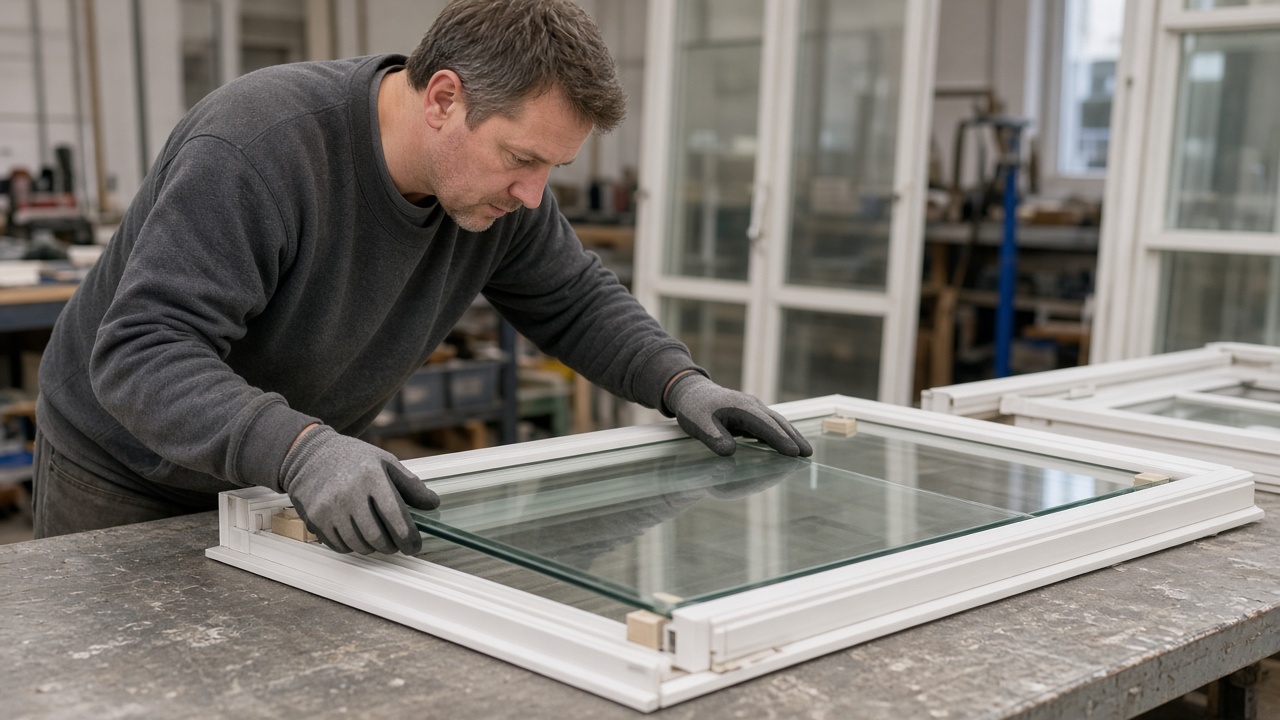
Glass-only can cost far less
Halifax-area homeowners have reported specialty glass shops replacing panels and fixing hardware for less than a third of full-replace quotes when frames were sound. Ask for an assessment before you accept a whole-house proposal aimed at two fogged units.
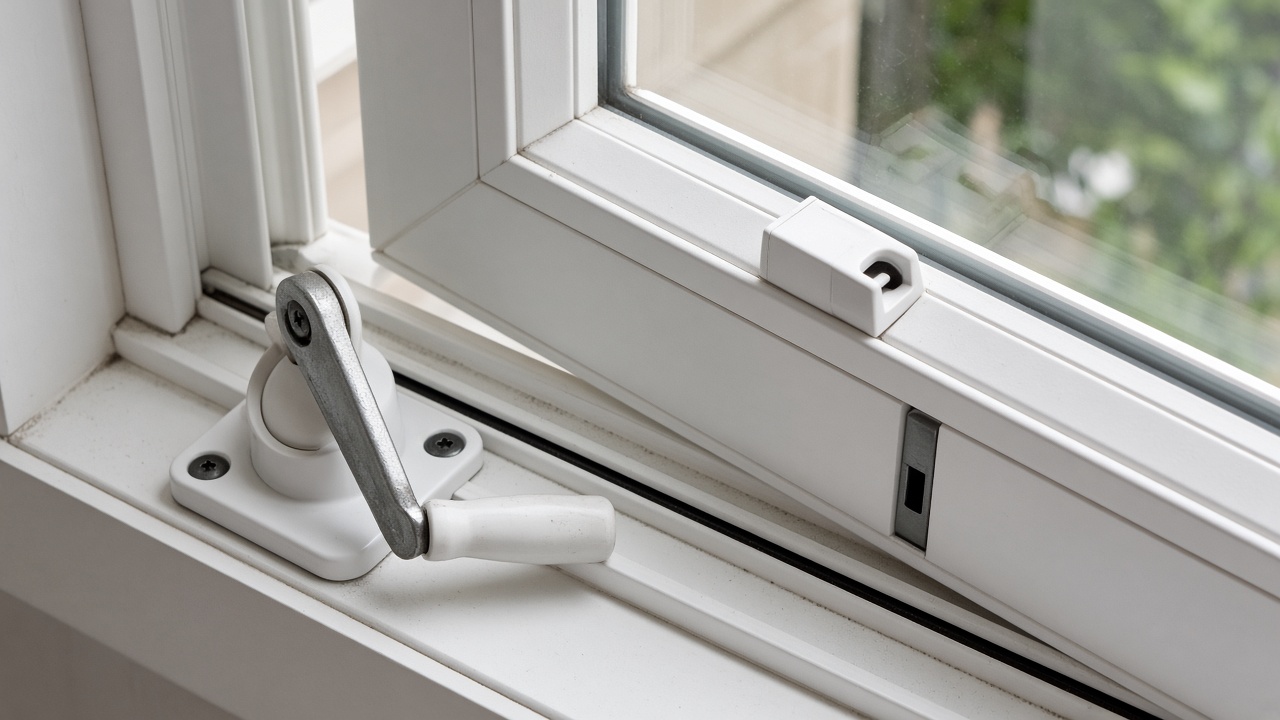
Hardware, screens, and balances
Cranks, cam locks, balances, and screens wear out. If glass is clear and frames are square, hardware service is usually the right first step. Keep model numbers when possible — discontinued lines complicate parts.
Leaks after rain
Water at the sill after wind-driven rain often traces to flashing, foam voids, or sill failure rather than the glass. Diagnosis may require trim removal. Installation-era shortcuts show up years later — see the installation page for prevention details.
When replacement wins
Multiple failed IGUs, brittle yellowed vinyl, warped frames, rotten sills, or a planned siding project usually favour full replacement. Phased room-by-room replacement can spread cost if aesthetics can tolerate mixed generations briefly.
Warranty cracks and callbacks
Spontaneous thermal cracks happen. Coverage depends on written terms and whether labour is included. Photograph the unit and labels, then ask who handles the claim.
Scope hold
Some jobs are glass-only; others need a full sash or window. Call (902) 999-9999 for an assessment path either way.
Screen and weatherstrip refresh
Torn screens and flattened weatherstrip create insect and draft complaints that feel like "bad windows." Often they are maintenance. Re-screening and replacing bulb weatherstrip are inexpensive relative to sash replacement. Do them before you approve a full elevation change.
Multipoint locks and European hardware
Tilt-and-turn and some casement lines use multipoint gear. Adjustment screws can restore seal compression when houses settle. Lubrication schedules matter. Parts for European gear may have longer lead times in Atlantic Canada — ask about local parts stock before you buy exotic operating styles.
Impact damage and sports mishaps
Broken lite from impact is usually glass-only if the frame survived. Tempered versus annealed requirements depend on location (near doors, bathrooms, close to floor). Replacement glass must match safety glazing rules. Do not casually swap in annealed where tempered is required.
Storm windows and secondary glazing
Some heritage owners add interior magnetic or framed secondary glazing instead of full replacement. That can improve comfort while preserving character sash. It will not fix a rotten sill or failed flashing. Use secondary glazing as a deliberate strategy, not as denial of water damage.
Mould and wet finishes
Chronic leaks wet drywall paper and sill plates. Window repair alone leaves contaminated finishes in place. Coordinate drying, mould assessment when needed, and finish repair with qualified trades. Do not trap wet materials behind new vinyl.
Planning a phased repair budget
Prioritize active leaks and failed seals on windward elevations, then hardware that blocks egress, then cosmetic fog on rarely used rooms. A written priority list keeps sales pressure from rearranging your budget. Call (902) 999-9999 when you want an assessment that starts with triage instead of a whole-house pitch.
Diagnosing drafts without guesswork
On a windy day, use a smoke pencil or incense stick around the sash perimeter, lock engagement, and trim edges. Drafts at the sash often mean weatherstrip or lock adjustment; drafts at the trim often mean foam or air-seal gaps from the original install. Those are different repair tickets. Replacing glass will not fix a hollow trim cavity.
Infrared cameras can help in cold weather but mislead on reflective glass and in mixed sunlight. Combine tools with common sense: operate the sash, inspect weatherstrip compression, and check weep holes for blockage.
Paint and vinyl compatibility
Painting vinyl frames can void warranties and create peeling messes if coatings are wrong. Generally leave vinyl unpainted; paint adjacent wood casings carefully with tape protection. Solvent cleaners can haze vinyl — use manufacturer-approved products only.
Emergency board-up versus permanent fix
Storm breakage may need temporary board-up the same day and scheduled glass later. Keep openings weather-tight. Document for insurance. Permanent IGU replacement should match safety glazing and spacer specs — temporary plexiglass is not a winter plan.
Multi-unit and rental considerations
Landlords sometimes prefer glass-only programs across many identical sashes. Tenants should report fog and leaks early before frames warp. Access scheduling and unit turnover windows affect cost. Clarify who pays for misuse damage versus seal failures under warranty.
When sales pitches push full replace
A salesperson who refuses to discuss IGU replacement for two fogged units in an otherwise sound elevation may be optimizing commission, not your envelope. Ask for a written reason. Get a glass shop second opinion. Full replace is right sometimes — just not automatically.
After a repair
Operate the sash daily for a week, watch for new fog (rare manufacturing defect), and confirm locks feel consistent. Keep the invoice with glass specifications. If residual haze remains after IGU replacement, call immediately — that is punch-list territory, not something to live with.
Local quote preparation checklist
Before any measure visit in Halifax Regional Municipality, write down the symptoms by opening: draft, fog, leak, hard to lock, or cosmetic only. Note which elevations face harbour wind or busy roads. List rooms that must stay accessible for kids, elders, or remote work. Share photos of interior and exterior details, including sills and flashings. Mention whether you already booked a Home Energy Assessment or plan to. That packet lets a technician spend time on diagnosis instead of basic discovery, and it makes three competitive quotes easier to align later.
Ask every bidder to return a one-page scope summary covering method (insert or full-frame), sill detail, foam type, trim inclusions, disposal, lead time, and the split between product and labour warranty. Keep those summaries side by side. When numbers differ, highlight the line items that changed rather than arguing about brand logos. Coastal Nova Scotia rewards that kind of paperwork discipline more than it rewards brochure adjectives.
Finally, confirm access: driveway space for a truck, ladder or scaffold needs, pet plans, and whether anyone must be home for the full install day. Small logistics details prevent half-finished openings when weather turns. Call (902) 999-9999 when you want help turning that checklist into a scheduled measure visit.
Seasonal timing for Halifax projects
Spring and early summer measure visits often aim at late-summer or fall installs once custom units arrive. Winter installs remain possible with weather protection, though sealant chemistry and crew comfort can slow detailing. If your primary pain is heat loss, prioritize the windward and north openings first when phasing. If your primary pain is leaks, prioritize the failing elevation regardless of season and use temporary protection until permanent units land.
Storm seasons and freeze–thaw cycles are when weak flashings announce themselves. After a nor'easter, inspect sills and interior drywall at known weak openings before cosmetic painting hides evidence. Pair any replacement plan with gutter and downspout checks — roof water dumped against a fresh window is an avoidable failure mode across Halifax housing stock.
Build a simple calendar: enquiry and photos this week, measure within your bidder's lead time, deposit and order with written scope, install when product arrives, then a thirty-day adjustment check. Put Efficiency Nova Scotia assessment dates on that calendar if rebates matter so ENERGY STAR stickers are still in place for the final visit. Call (902) 999-9999 to align that calendar with an actual measure appointment.
Frequently asked questions
There's fog or water between the panes — can it be repaired?
Fog between panes means the insulated glass unit seal failed. You cannot fix it with exterior caulk. A glass shop can often replace the insulated glass unit if the sash allows; otherwise replace the sash or whole window.
Do I need a whole new window if only the glass is fogged?
Often no — if the frame is square and operates well, glass-only replacement can cost a fraction of full replacement. One Halifax-area homeowner reported glass and hardware fixes at less than a third of expected full-replace cost via a specialty glass shop.
Is DIY drill and seal fog removal a good idea?
Consumer defog kits may clear haze temporarily but do not restore insulating gas performance. Prefer proper insulated glass unit replacement when efficiency matters.
My window sweats on the room side — is that a failed seal?
Interior-surface condensation is usually indoor humidity plus cold glass, not a failed between-pane seal. Improve ventilation and humidity control and consider warmer glass long term.
Can vinyl window glass be replaced?
Usually yes when glazing beads allow an insulated glass unit swap; welded or direct-glaze designs may need sash replacement.
Cranks, locks, and balances — worth repairing on an old window?
If the frame and glass are sound, hardware repair is cost-effective. If multiple seals have failed house-wide, plan phased replacement.
A cracked pane appeared spontaneously — warranty?
Thermal stress cracks sometimes occur; coverage depends on written warranty and whether labour is included. Document with photos and serial labels, then ask who handles the claim.
Leaking at the window after rain — glass or install?
Often flashing, foam voids, or sill failure — not the glass unit. Diagnosis may involve removing interior trim.
When is full replacement smarter than repeated repairs?
Multiple failed insulated glass units, warped frames, rotten sills, or a planned exterior renovation usually favour full replacement.
Who should I call in HRM for glass-only work?
Homeowners often use specialty glass shops for insulated-glass-only jobs. Replacement companies may repair or refer—ask which path fits your frame condition.