Vinyl windows built for maritime winters
Vinyl (PVC) remains the mainstream replacement choice for Halifax homes: low maintenance, multi-chamber frames, and wide style options from hung and slider to casement and picture. Quality varies. Virgin uPVC, foam-filled chambers, warm-edge spacers, and verified ENERGY STAR listings matter more than a glossy brochure. This page explains how to shop vinyl packages for maritime winters—compare NAFS labels, glazing, and install method in writing.
Styles that fit HRM houses
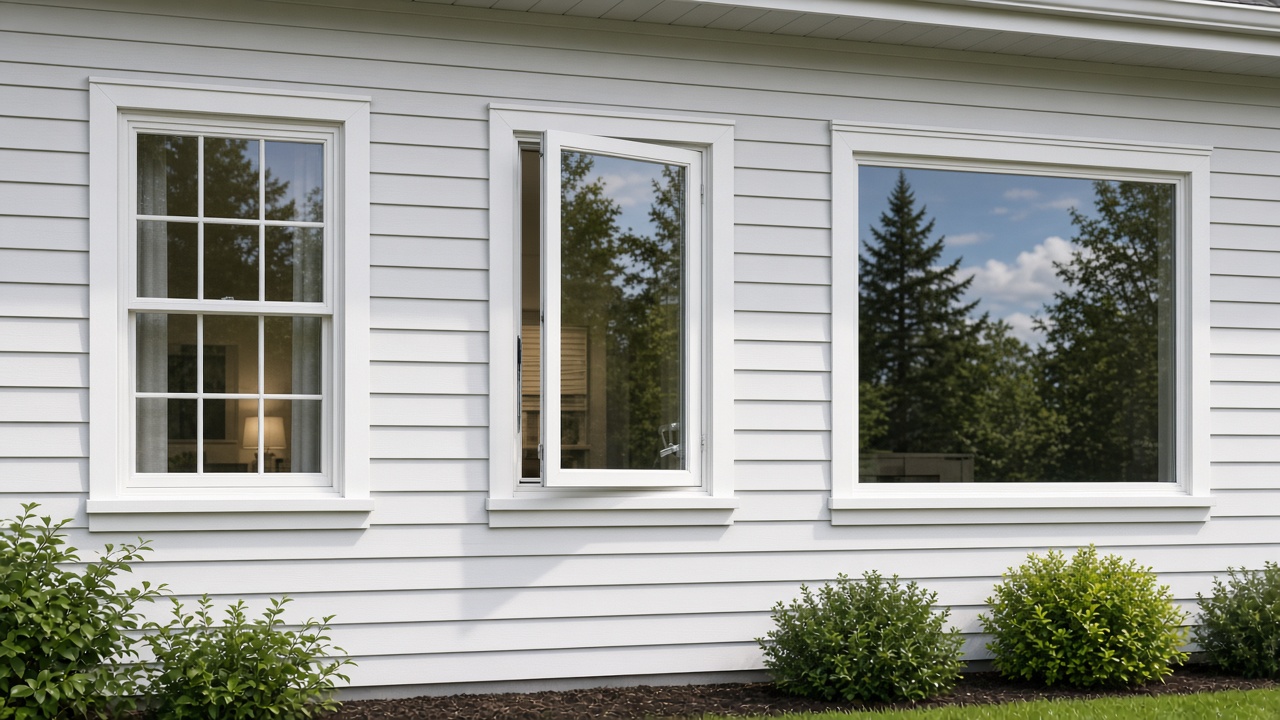
- Single or double hung — familiar operation, tilt-in cleaning on many lines
- Horizontal sliders — common in mid-century and bungalow stock
- Casement and awning — compression seals when locked; strong for windward walls
- Picture and combinations — fixed glass with operable flanks
- Tilt-and-turn — European operation; premium niche locally
Match egress needs in bedrooms and basements. Confirm screen and hardware colour options before ordering. Exterior brickmould and interior extension jambs change the finished look as much as the sash.
Double versus triple glazing
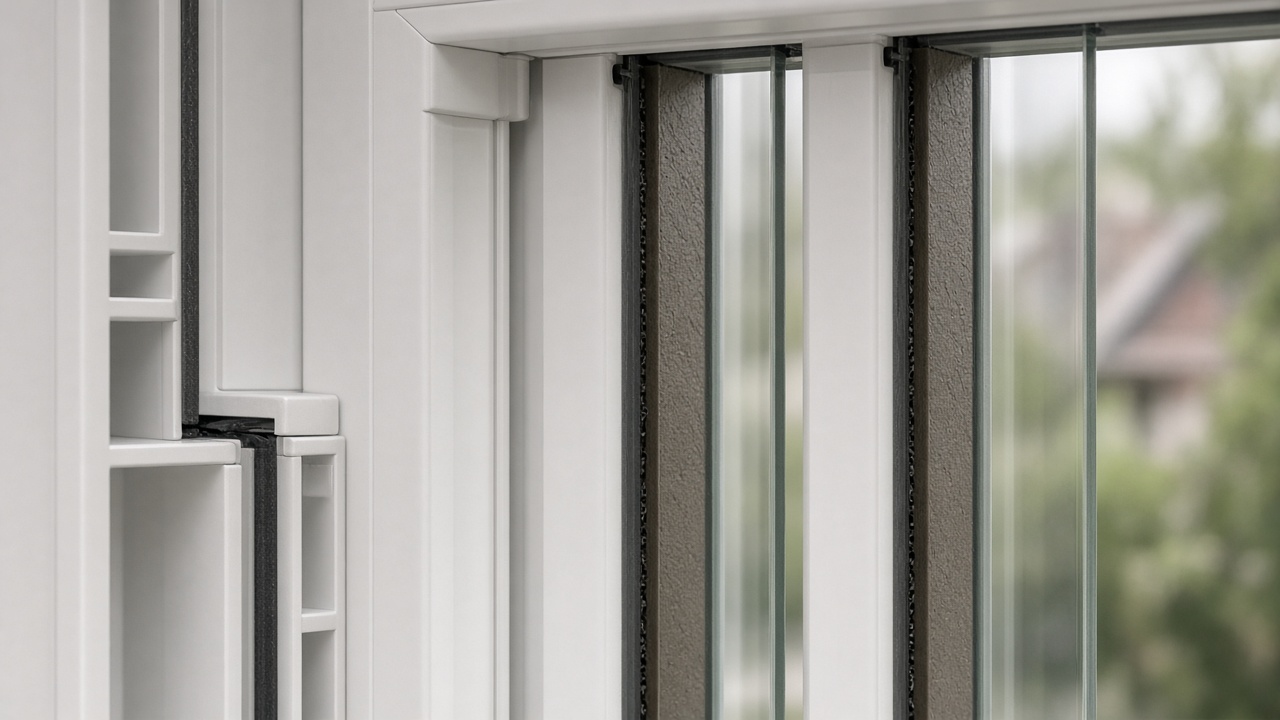
Triple glazing usually lowers heat loss and warms the room-side glass, which helps with comfort near seating and with condensation risk in humid winters. It costs more and weighs more. Double glazing remains common and can still be ENERGY STAR rated. Compare published U-factors and energy ratings for the exact series — not marketing adjectives. Electric baseboard homes often feel the glass temperature difference first.
ENERGY STAR and Efficiency Nova Scotia
For the provincial Home Energy Assessment window rebate, products must be ENERGY STAR rated in Canada, and you must replace the window including the frame. Leave stickers on until the final assessment. The rebate is $30 per rough opening — useful but modest. Plan assessment timing before manufacture if you want the credit. Confirm current rules on Efficiency Nova Scotia’s Home Energy Assessment and windows and doors pages before you order. Last verified: 21 November 2026.
NAFS labels for coastal exposure
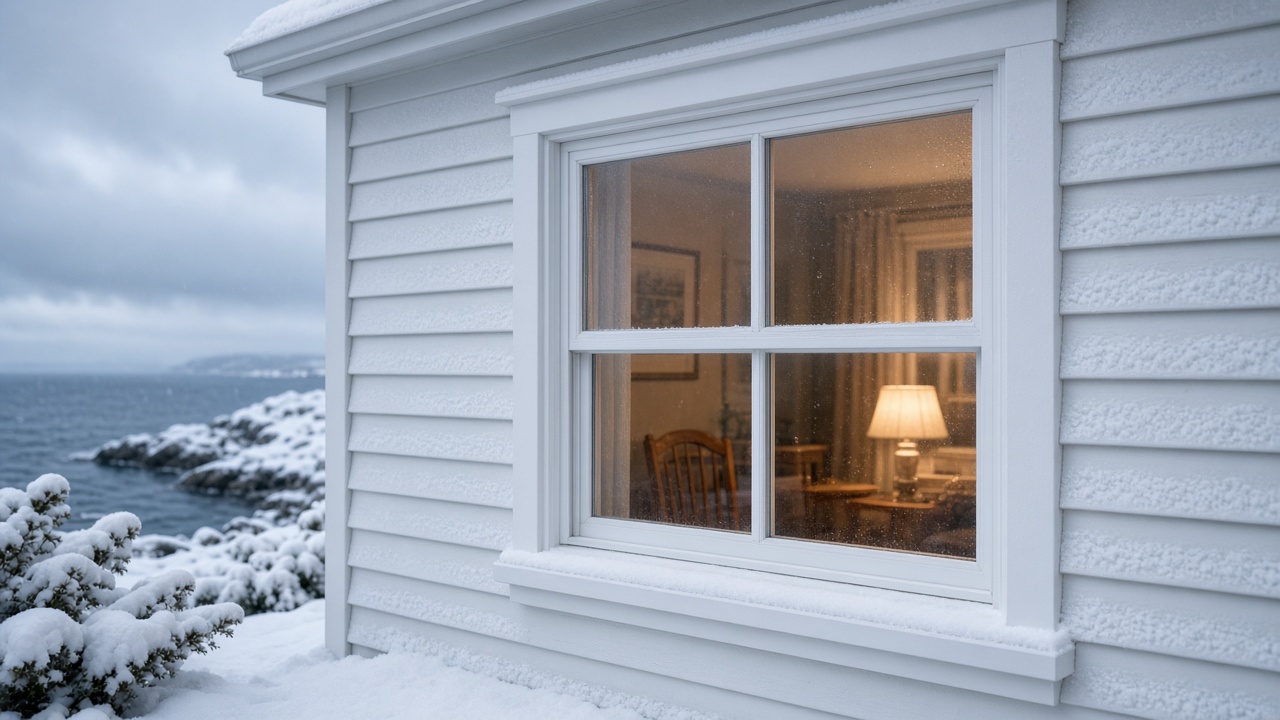
Ask for NAFS Class and Performance Grade plus Canadian air and water secondary designations. Local advice often pushes for solid air leakage performance and water resistance suited to driving rain. Exact requirements depend on building height and terrain. A sheltered Dartmouth bungalow is not the same as an exposed harbour elevation.
What drives vinyl pricing
Opening size and shape, double versus triple, hardware, colour, brickmould, insert versus full-frame, rot repair, trim, and disposal all move the number. Large picture units weigh more than standard hung or slider sizes. Ask for an itemized quote for your openings.
Warranty literacy
Lifetime on PVC is not the same as lifetime on glass, hardware, and labour. Stress-crack clauses, transfer rules, and labour years differ by manufacturer and dealer. Read the document. Halifax homeowners also report that warranty follow-through quality varies — ask how callbacks are handled before you sign.
Vinyl versus fiberglass or composite
Fiberglass and some composites move less with temperature and can hold seals longer in extreme swings, at a higher price. For many HRM whole-house refreshes, well-installed quality vinyl is enough. Choose fiberglass when you plan a long hold and the price gap is justified — not because a salesperson said vinyl is "cheap."
Colour, grids, and curb appeal
Exterior laminated colours and grille patterns change lead time and cost. Keep interior white for paintability unless you have a design plan. Simulated divided lites and between-glass grids each age differently — ask which is removable for cleaning.
Preparing your vinyl quote request
Count openings, photograph each elevation, note fogged units, and decide whether you want matching whole-house aesthetics or phased rooms. Mention electric heat if applicable. Call (902) 999-9999 or use the quote form.
Argon, spacers, and warm edges
Most modern insulated units use argon or other inert fills between panes. Warm-edge spacers reduce condensation risk at the glass perimeter compared with older metal box spacers. Ask what spacer system ships with your series. Gas slowly depletes over decades; failed seals announce themselves as fog long before anyone measures remaining argon. That is another reason glass-only IGU replacement exists as a mid-life repair.
Interior condensation versus failed seals — vinyl specifics
Vinyl frames are continuous and can show surface condensation in humid rooms with weak ventilation. Wipe tests and seasonality help diagnose. Bathroom and kitchen humidity spikes are not automatic reasons to replace every sash. Pair vinyl upgrades with bath fan use and reasonable indoor relative humidity targets, especially in tight electrically heated homes.
Matching existing openings
Custom sizing is normal for replacement work. Stock sizes help when openings already match popular frames and you need speed. Measure carefully — rough opening, frame size, and daylight opening are different numbers. A measure technician should own the final sizes; do not order from a tape measure selfie alone.
Colour fading and chalking
South and west elevations see more UV. Dark laminated colours can chalk sooner than white. Ask about warranty language for colour change. Periodic gentle washing beats abrasive cleaners that dull the finish. Screens and hardware also weather — budget for mid-life screen replacement on windy coastal lots.
Whole-house aesthetic planning
Phasing rooms across two summers is fine if you lock the series and exterior colour early. Mixing unrelated vinyl generations on the street elevation reads as unfinished. Interior grids and handle colours should stay consistent in public rooms even if basement utilities get a simpler package.
Documentation to keep
Store NAFS labels, ENERGY STAR stickers photos, warranty certificates, and the install scope PDF. Future buyers and rebate auditors ask for them. If you pursue a Home Energy Assessment, keep invoices for five years as program guidance requires.
Halifax climate load on vinyl frames
Vinyl expands and contracts with temperature. Quality multi-chamber profiles manage movement; thin single-wall frames telegraph it into seal gaps. Coastal UV, wind pressure cycling, and freeze–thaw at the sill line are why install shimming and foam technique matter as much as the extrusion brand. A perfectly marketed series installed racked will draft. A mid-tier series installed square with a sill pan often outperforms it.
Salt air attacks ferrous fasteners and some operator metals. Stainless or coated hardware and sealed screw penetrations extend life on harbour-facing elevations. Ask what fasteners are specified at the coast rather than assuming inland kits are identical.
Shopping the glass package
Beyond pane count, ask about low-e coating placement, solar heat gain coefficient for your elevation, and visible light transmittance if rooms already feel cave-like. South glass may want different SHGC than north glass in the same house. Some manufacturers allow mixed packages; others prefer one glass recipe house-wide for warranty simplicity. Decide with comfort and glare in mind, not only the lowest U-factor on a chart.
Bird-friendly and privacy laminated options exist for specific rooms. Bathroom obscurity can be patterned glass rather than film that peels. Discuss privacy needs during measure so you do not improvise with stick-on films later.
Operator ergonomics and accessibility
Casement cranks at low sill heights challenge some users; hung locks at the meeting rail challenge others. Walk through operation with the person who will live with the window daily. Multipoint handles on tilt-and-turn units need clear swing space indoors. Choose hardware finishes that match door levers for visual calm.
Lead times and seasonal booking
Custom vinyl for HRM often means weeks to months between deposit and install. Spring booking for fall install is common in local anecdotes. If you need openings closed before winter heat season, start earlier than feels necessary. Stock programs help only when sizes match — verify on site first.
Sales pressure patterns to ignore
Same-day discount stacks, high APR financing pitches, and review incentives that feel conditional appear in Halifax discussions of some national-style sales models. You are allowed to take quotes home. You are allowed to compare scopes line by line. A trustworthy measure visit educates; it does not corner.
Maintenance calendar
Twice yearly: wash frames, clear weep holes, check weatherstrip, lubricate operators per manufacturer guidance, and inspect exterior sealant joints. Keep shrubbery from trapping moisture against sills. After major wind events, look for shifted screens and cracked sealant at corners.
Local quote preparation checklist
Before any measure visit in Halifax Regional Municipality, write down the symptoms by opening: draft, fog, leak, hard to lock, or cosmetic only. Note which elevations face harbour wind or busy roads. List rooms that must stay accessible for kids, elders, or remote work. Share photos of interior and exterior details, including sills and flashings. Mention whether you already booked a Home Energy Assessment or plan to. That packet lets a technician spend time on diagnosis instead of basic discovery, and it makes three competitive quotes easier to align later.
Ask every bidder to return a one-page scope summary covering method (insert or full-frame), sill detail, foam type, trim inclusions, disposal, lead time, and the split between product and labour warranty. Keep those summaries side by side. When numbers differ, highlight the line items that changed rather than arguing about brand logos. Coastal Nova Scotia rewards that kind of paperwork discipline more than it rewards brochure adjectives.
Finally, confirm access: driveway space for a truck, ladder or scaffold needs, pet plans, and whether anyone must be home for the full install day. Small logistics details prevent half-finished openings when weather turns. Call (902) 999-9999 when you want help turning that checklist into a scheduled measure visit.
Frequently asked questions
Are vinyl windows good enough for Nova Scotia winters?
Quality vinyl with proper glazing and install is the mainstream HRM choice. Performance depends on U-factor and energy ratings, air leakage, and installation — not the word vinyl alone.
Double pane or triple pane?
Triple usually cuts heat loss and warms inside glass more; it costs more. Double remains common. Compare published ENERGY STAR ratings and your heating type — electric baseboard homes often value warmer glass.
Is Gentek, Kohltech, Nova, or Polytech the best?
Reddit and ex-installer commentary disagree by brand; many say differences among mid vinyl lines are modest while Polytech tilt-and-turn is a premium niche. Prioritize NAFS ratings, warranty service, and the install crew.
What NAFS or air and water ratings should I look for?
Ask for the NAFS label. Local advice often cites wanting solid Canadian air leakage performance (for example A2 or better discussed) and meaningful water resistance suited to coastal exposure. Exact minimums depend on building height and terrain via CSA A440S1.
Do ENERGY STAR stickers have to stay on for rebates?
Yes — stickers must remain until after the final Home Energy Assessment for the $30 per opening window rebate.
Will vinyl yellow or get brittle?
Cheap reprocessed vinyl can chalk or yellow earlier; virgin uPVC multi-chamber frames last longer when installed correctly. Ask what the frame is made of and whether chambers are foam-filled.
Casement vs double-hung vs slider for Halifax?
Casements seal tightly when locked; hung and slider units are common and easier for some users; tilt-and-turn is a premium operating style. Match operation to egress, cleaning access, and furniture.
Are stock or standard sizes cheaper?
Some local manufacturers publish ready stock sizes with ENERGY STAR ratings for materials only. Custom sizes dominate full-home replacements. Ask whether stock or custom fits your openings.
Do I need new windows or just better weatherstripping?
If frames are sound and only drafts appear at operable seals, hardware and weatherstrip repair may help. Fog between panes or rotten frames usually means glass or full replacement.
Lifetime warranty on vinyl — what does that actually cover?
Lifetime terms vary widely — PVC only versus glass, hardware, and labour; stress cracks; transfer rules. Read exclusions and labour years separately before you deposit.