Window replacement in Halifax and area
Residential installed replacements for Halifax and surrounding HRM communities—clear scopes, comparable quotes, and call or quote when you are ready.
Halifax homeowners searching for window replacement usually have a concrete problem: cold glass by the sofa, fog between panes, towels under a bay after rain, or a stack of quotes that do not match. Local forum threads ask the same questions—who installs well, what sill prep should include, whether Efficiency Nova Scotia rebates matter, and how to tell a hard sell from a fair scope.
Halifax Window Replacement helps homeowners plan vinyl packages, bay work, professional installation, and repair assessments for residential openings—not commercial curtain wall. Call (902) 999-9999 or request a quote with your community, approximate window count, and what prompted the work.
Repair or replacement
Not every foggy or drafty opening needs a full house of new units. Fog between panes means the insulated glass seal failed—glass-only replacement can work when the frame is sound. Room-side condensation is usually humidity and cold glass, not a failed seal. Hardware, screens, and balances are often repairable. Full replacement makes more sense when frames are warped, sills are rotten, multiple seals have failed, or you are already planning exterior work. We route glass and hardware enquiries toward assessment, and installed replacement when that is the better fit—without diagnosing your house from a form alone.
Who this help is for
You are a strong fit if you own a home in Halifax Regional Municipality and need clearer glass, tighter seals, or a plan for multi-opening replacement without opaque discount stacks. Common projects include multi-opening vinyl sets, a leaking bay, fogged insulated glass, or an inspection note before sale.
- Drafty or cold openings — reduce air leakage and warm the glass line
- Fog between panes — diagnose seal failure versus room-side condensation
- Bay upgrades — light and views with structural and flashing honesty
- Rebate planning — ENERGY STAR units timed with a Home Energy Assessment when it fits
You may need a different specialist if the job requires structural opening enlargement with engineering, heritage approvals beyond fenestration, or glass-only work best handled by a specialty shop. We explain repair versus replace so you do not overbuy.
Why Halifax windows fail early
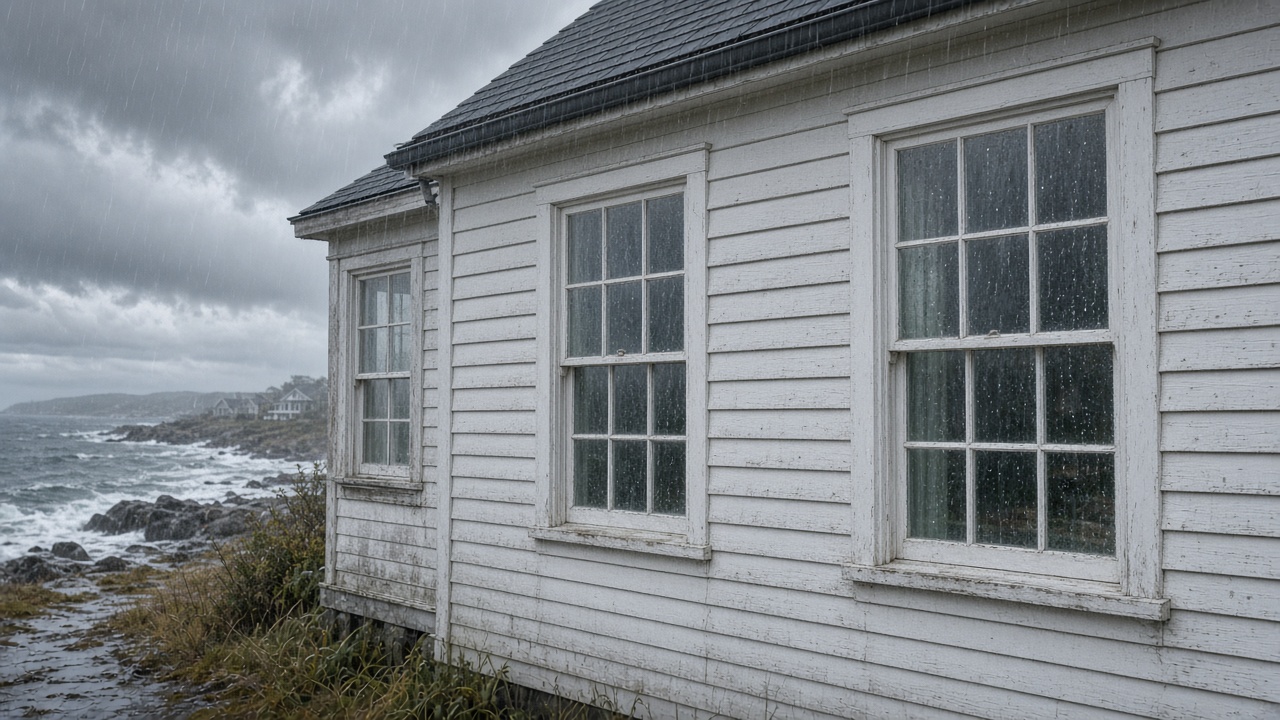
Atlantic weather loads windows harder than brochure photos suggest. Coastal wind and driving rain test water resistance. Freeze–thaw cycles stress seals and flashings. Salt air corrodes cheap hardware. Older single-pane or tired double-pane units bleed heat, especially in electrically heated homes where every watt shows on the bill.
Canadian fenestration performance uses NAFS ratings plus the CSA A440S1 Canadian Supplement for wind, water, and snow by location. Coastal or open-terrain sites can need higher water resistance than sheltered suburban lots. Ask for labels—do not assume every vinyl unit is equal for a windward harbour elevation.
Insert versus full-frame in plain language
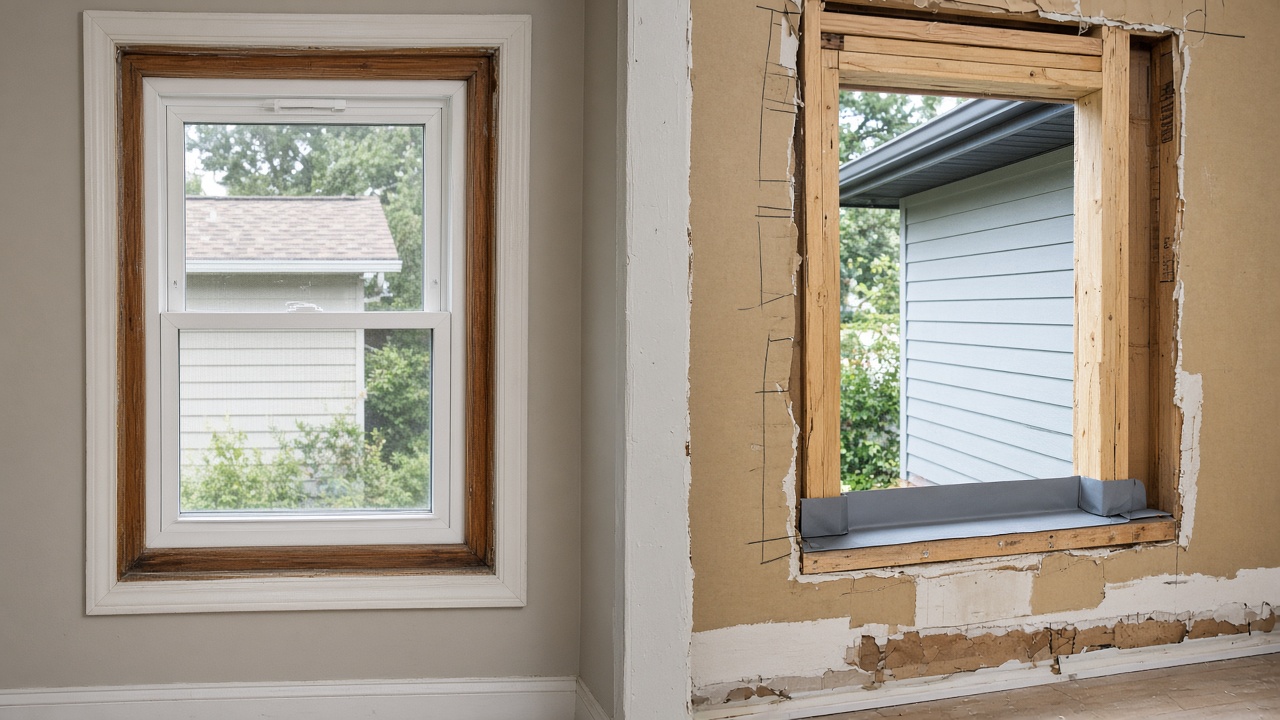
An insert or retrofit sits inside the existing frame. It is usually faster and less disruptive, but it shrinks the glass area and can leave rotten sills hidden. Full-frame replacement removes the old unit to the rough opening so crews can install a sill pan, integrate flashing with the weather barrier, and fix rot. Halifax homeowners specifically debate sill prep on retrofits—some crews skip it. Put the method in writing before you sign; the installer still assesses the opening on site.
What affects a replacement quote
A fair Halifax quote reflects the openings on your home—not a generic headline. Align every bid on product line and glass package, insert versus full-frame, sill prep or sill pan, flashing, low-expansion foam, interior and exterior trim, disposal, rot allowances, HST, and who answers callbacks after a seal fails or a crank breaks.
What usually changes the number:
- Opening size, shape, and count (picture and bay units weigh more than standard hung or slider sizes)
- Double versus triple glazing, hardware, colour, and brickmould
- Insert versus full-frame, plus sill pan and flashing detail
- Rot repair, trim scope, disposal, and scaffold or access limits
- Bay roof skirt, braces or cables, and weatherproofing sequencing
Sample quote comparison checklist
Use this labelled sample when you compare written estimates—ours or anyone else’s—so every bid covers the same job. Hypothetical scope only; no installed prices listed.
- Community or partial postal code
- Approximate window count and property type (house, condo, heritage notes)
- What prompted the work (drafts, fog, leaks, comfort, pre-sale)
- Whether openings will stay the same size or change
- Per opening: replacement method, product/glass, trim, disposal
- Whether HST and concealed-damage pricing are spelled out
- Product warranty versus workmanship warranty, and who handles claims
- Preferred timing — or “I’m not sure”
Product and workmanship warranties
Headline “lifetime” language is meaningless until you separate product coverage from workmanship. Ask what the frame, glass, and hardware warranties cover, whether labour is included, transfer rules if you sell, and who you call when a seal fails or a crank breaks. Get exclusions and claim steps in writing before you deposit.
How a typical project moves
- Enquiry — photos, opening count, community, symptoms (draft, fog, leak), timing
- Measure — on-site sizes, rot check, access, style, and glass package discussion
- Quote — itemized product, install method, trim, contingencies, warranty split, lead time
- Order — manufacture wait commonly measured in weeks or months locally
- Install — protect floors, set units, foam, trim, cleanup, punch list and walkthrough
Ask for current lead times and deposit terms in writing before you plan around a firm install week.
Efficiency Nova Scotia — honest rebate math
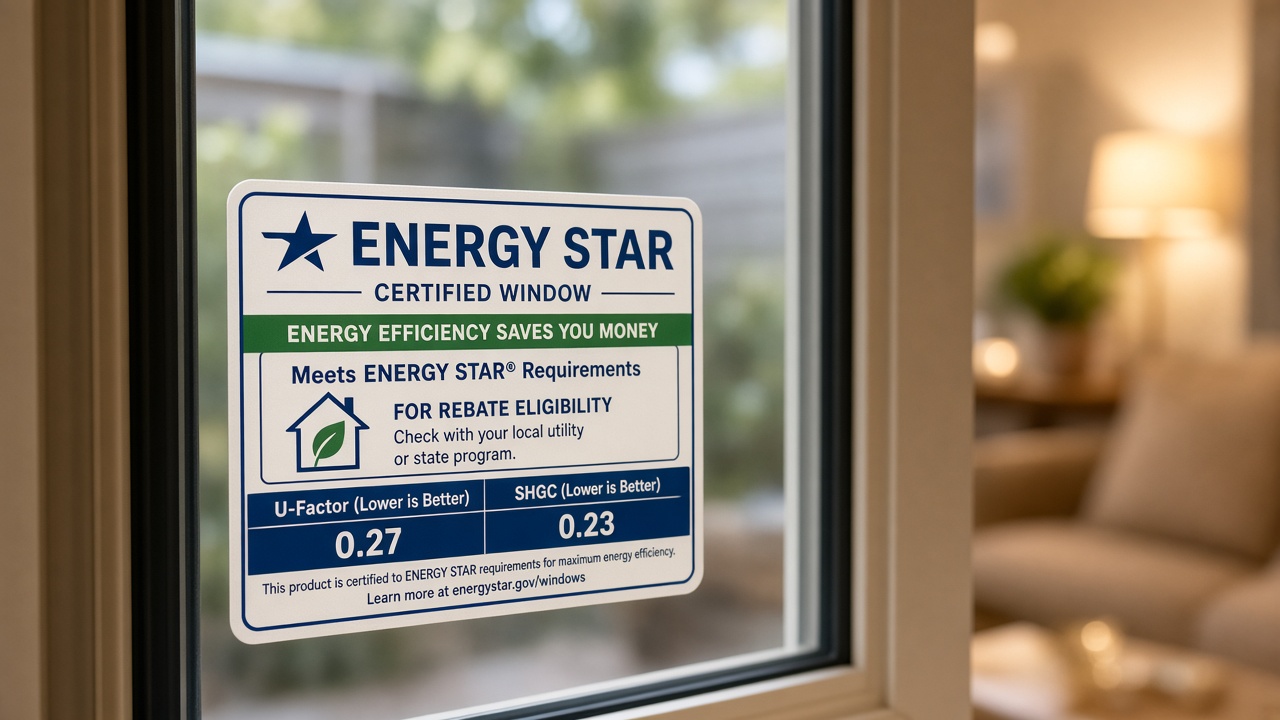
Through the Home Energy Assessment program, replacing a window including the frame with a Canada ENERGY STAR rated product can earn $30 per rough opening after initial and final assessments. Stickers must stay on until the final visit. A three-panel bay in one rough opening counts as one rebate. The Canada Greener Homes Grant is closed to new applicants—do not plan around it.
Check current program rules Home Energy Assessment and energy-efficient windows and doors before you order or start work. Eligibility, model lists, and amounts can change; we do not guarantee a rebate or stack incentives for you. Last verified against Efficiency Nova Scotia program pages: 21 November 2026.
Thirty dollars per opening will not pay for a project. Air sealing and insulation upgrades in the same assessment often move the needle more. Book the initial assessment before you order if you want the window line item.
Heritage, condo, and changed openings
Owners planning enlarged openings, bedroom egress changes, or exterior work on heritage properties should confirm scope with HRM and their installer—there is no blanket permit answer. Start with current HRM heritage alteration guidance and by-laws on halifax.ca, then confirm with your installer. Condo buildings can add board approvals and product constraints. Note heritage or condo status on your quote request so we can assess fit before a measure visit.
Service area
We serve Halifax and surrounding areas across the Halifax Regional Municipality, including common search communities such as Dartmouth, Bedford, and Sackville when the job fits truck access and scheduling. Confirm your civic address when you call (902) 999-9999.
Comparing quotes without getting lost
HRM has a dense window market: Burnside manufacturers, national replacement brands with Dartmouth showrooms, Kohltech and Extreme dealers, premium tilt-and-turn specialists, and independent install crews. Reddit threads name Nova, Metro, Ecoline, Windows Plus, Matheson, Polytech, and others in rotating combinations. None of those names are endorsements here—they show that homeowners already compare three quotes and argue about foam, sill prep, and warranty follow-through more than logo colour.
Bring the same opening list to every bidder. Use the checklist above so scopes match. When totals diverge wildly, the inclusions usually diverge too.
Heritage trim and older Halifax stock
Peninsula character homes and older Dartmouth stock often carry interior casings owners want to keep. Inserts can preserve mouldings when frames are sound. Full-frame work can still respect interiors if extension jambs and casings are rebuilt carefully—budget for carpentry time. Lead paint assumptions on pre-1990s trim deserve caution during sanding; follow safe-work practices and municipal guidance where applicable.
Basement and egress openings
Basement windows that serve as egress must meet size and operation rules for sleeping rooms. Confirm egress requirements before you order. Window wells, drains, and covers interact with water management—a new sash will not fix a clogged well drain.
Preparing for a first call
Have rough opening counts, photos of problem units, a note on electric versus other heat, and whether you care more about drafts, fog, leaks, or appearance. Mention heritage trim you want to keep and whether openings will change size. Decision-makers should be available for the measure visit.
Coastal performance checklist
Before you buy, ask for the NAFS designation and Canadian secondary air and water values. Confirm corrosion-resistant hardware for salt exposure. Prefer low-expansion foam made for windows and doors. Require a written sill detail on retrofits. Photograph openings before trim closes them up.
Frequently asked questions
Why do Halifax window quotes vary so much?
Scopes often differ even when product lines look similar. Align every bid on insert versus full-frame, sill prep or sill pan, flashing, low-expansion foam, trim, disposal, rot allowances, HST, and the split between product and labour warranty. Outlier highs and lows usually mean different inclusions—not automatically better or worse engineering.
Who do Halifax homeowners recommend for window replacement?
Recurring names on r/halifax include Nova Doors and Windows, Metro, Windows Plus, Matheson, Kohltech dealers, Polytech for premium tilt-and-turn, and smaller crews — experiences vary. Compare install details and warranty follow-through, not logos alone.
What affects the cost of window replacement in Halifax?
Price depends on opening size and shape, double versus triple glazing, hardware and colour, insert versus full-frame, rot repair, sill prep, interior and exterior trim, disposal, access or scaffolding, and bay roof-skirt work. Large picture and bay openings cost more than standard hung or slider sizes. Ask for an itemized quote for your home.
Should I get three quotes?
Yes. HRM homeowners regularly compare three bids; inclusions such as sill prep, trim, rot repair, and disposal differ even when product lines look similar.
Do Efficiency Nova Scotia rebates cover new windows?
Through the Home Energy Assessment path, replacing a window including the frame with a Canada ENERGY STAR rated product can earn $30 per rough opening after initial and final assessments. That amount is modest compared with a full replacement project, and the Canada Greener Homes Grant is closed to new applicants. Confirm current Efficiency Nova Scotia rules before you order; last checked 21 November 2026.
Does product brand matter more than installation?
Local advice: mid-tier vinyl differences are often small; membrane, flashing, sealant, and foam details matter more. Ask for NAFS labels and the install method in writing.
How long is the wait from order to install?
Multi-month waits are commonly reported for manufacture and scheduling in HRM. Confirm current lead time on your written quote before you plan around a firm install week.
Can I finance windows? Is high APR normal?
Some companies advertise financing; homeowners on r/halifax have called double-digit APR offers a poor deal. Treat financing as optional and compare the cash price of the same scope first.
Will new windows make my house quieter and warmer?
Homeowners often report less street noise and warmer glass after triple-pane or quality double-pane installs. Results depend on the glass package, air sealing around the frame, and the rest of the building envelope.
What should I ask every company before signing?
Confirm insert versus full-frame, sill prep or sill pan, flashing, low-expansion foam, interior and exterior trim scope, rot allowances, product versus labour warranty years, and who handles callbacks.
Services
Vinyl windows
Low-maintenance frames, double or triple glazing, and ENERGY STAR options for maritime winters.
Bay windows
Projecting units with support, roof skirt, and flashing expectations spelled out.
Window installation
Insert versus full-frame, sill pans, low-expansion foam, and day-of process.
Window repair
Fogged glass, hardware, and when glass-only beats full replacement.